
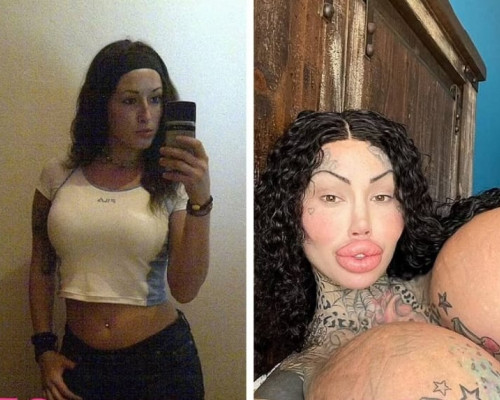
The field of aesthetic medicine, while providing transformative results for many, also treads a thin line when it comes to ethics. As practitioners, the responsibility of weighing the potential benefits of cosmetic procedures against the risks and ethical concerns is monumental. Two significant areas of contention are the appropriate age for cosmetic procedures and the potential link to body dysmorphia.
Age: A Matter of Consent and Consequence
Determining an appropriate age to commence cosmetic procedures is a divisive issue. On one end, young patients seeking early intervention for perceived imperfections argue for the psychological benefits of increased self-esteem and confidence. However, the counter-argument questions whether adolescents, with their still-evolving self-identity and understanding of long-term consequences, can genuinely provide informed consent.
There is also the question of long-term physical implications. The effects of some aesthetic procedures may change as the body continues to develop, potentially leading to unforeseen consequences. The question then remains: at what age can the line be safely drawn?
Body Dysmorphia: A Distorted Mirror
The potential for aesthetic procedures to contribute to body dysmorphia is another complex ethical quandary. Body Dysmorphic Disorder (BDD) is a mental health condition characterized by an obsessive preoccupation with a perceived flaw in appearance. While aesthetic procedures may seem like a solution, they may, in fact, exacerbate the problem, leading to a cycle of repeated treatments without ever achieving the desired self-image.
Some individuals with undiagnosed BDD may seek aesthetic procedures as a solution to their distress, placing practitioners in a challenging position. It raises the question of how practitioners can responsibly address the needs of these patients without inadvertently contributing to the perpetuation of their disorder.
Navigating Ethical Boundaries
These issues underline the need for a comprehensive ethical framework in aesthetic medicine. Developing guidelines that consider psychological evaluations and informed consent, especially for younger patients, could be a potential starting point. Regular ethical training and discussions should also be a cornerstone in the field.
Moreover, creating an open dialogue about the potential psychological risks associated with cosmetic procedures is essential. This includes educating patients about the risks of procedures, the potential for dissatisfaction, and the possibility of underlying psychological concerns like BDD.
In the pursuit of beauty and self-improvement, the ethical implications of aesthetic medicine must always be at the forefront. Balancing the desire to enhance physical appearance with the responsibility to do no harm presents a challenging but crucial task for practitioners in this field.

(2)-190x190w.jpg "BiViDerma Hyaluronic Acid Filler Korea")